
Jordan advances harmonised chemical inspection practices through train-the-trainer programme
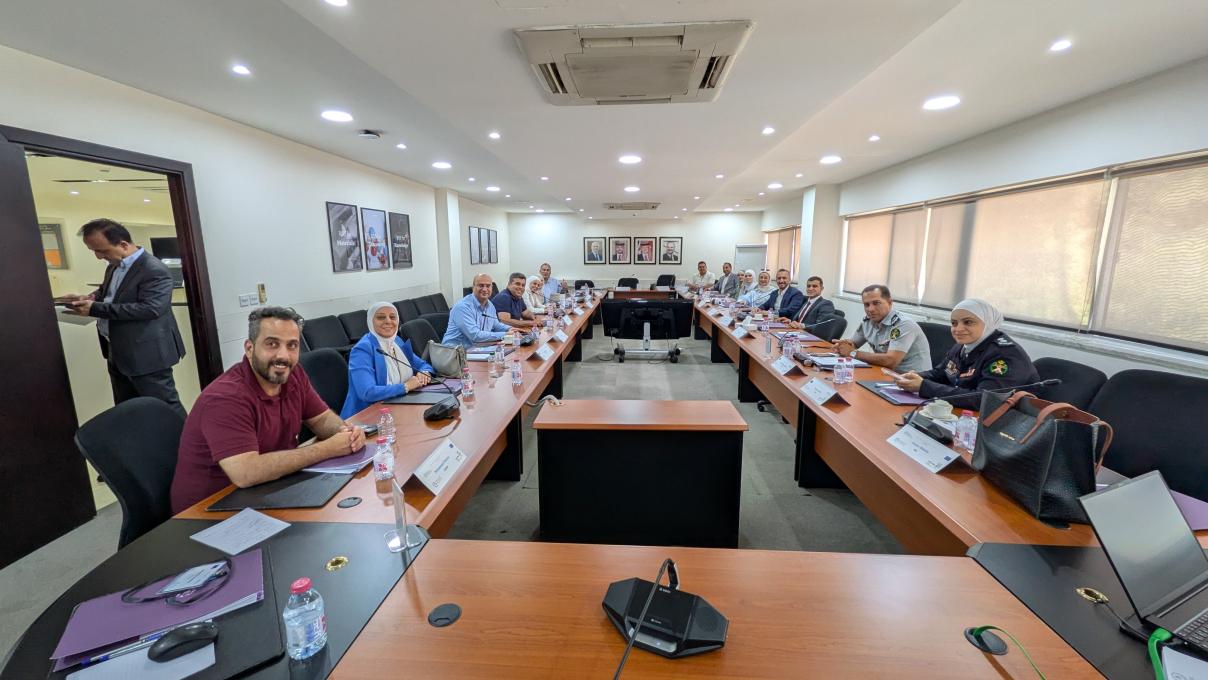
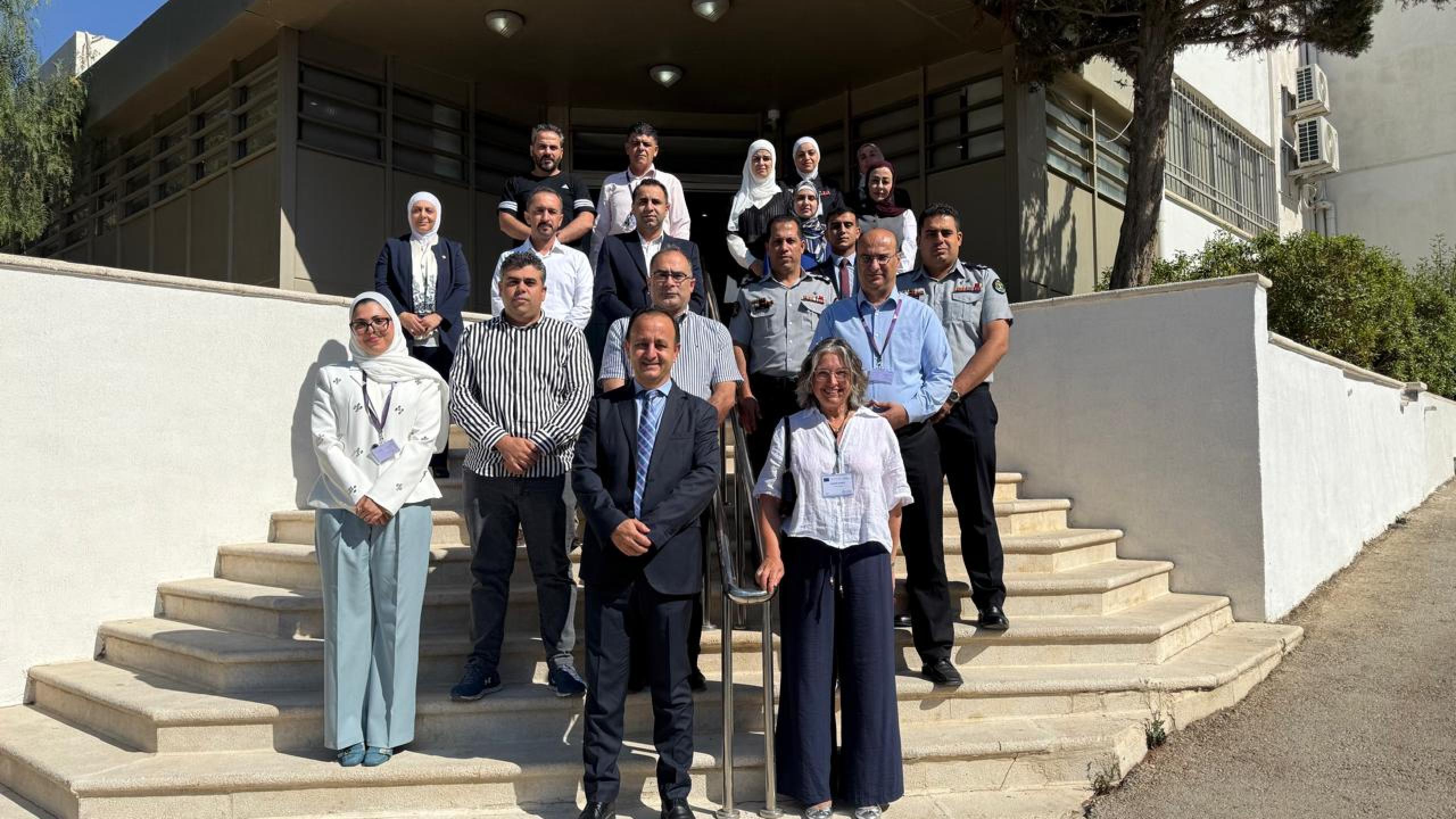
From 9 to 11 August 2026, P97 organised a national train-the-trainer event in Amman, Jordan, bringing together inspectors and experts from several Jordanian competent authorities responsible for the oversight of hazardous chemicals. The programme aimed to strengthen national inspection capabilities and expand the pool of qualified trainers who can support future chemical safety and security training activities in Jordan and across the Middle East.
Building expertise for safer inspections
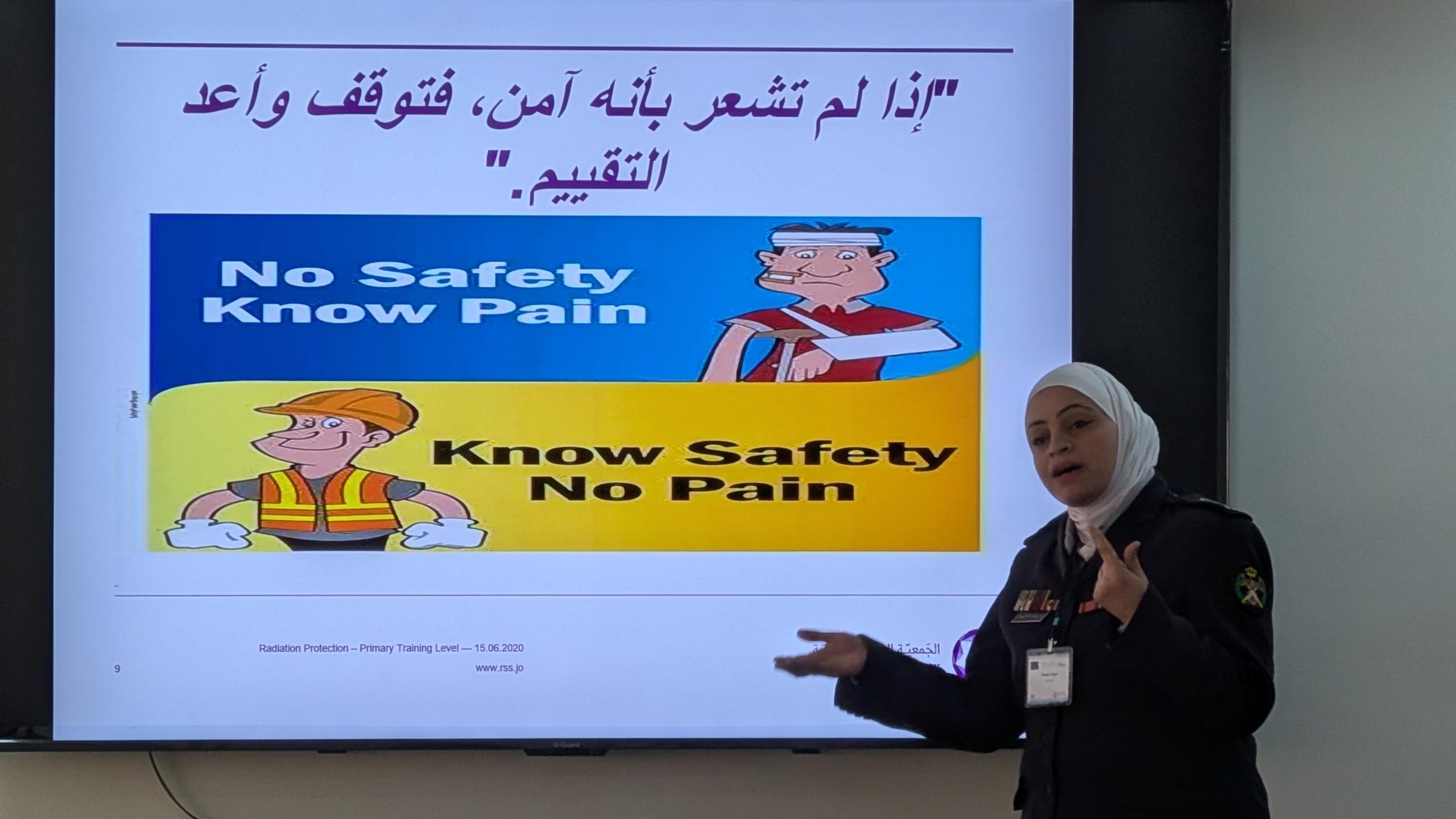
Building on knowledge gained during a previous inspection course held in Poland, Jordanian experts delivered training on inspection planning and preparation, inspection methodologies, chemical storage and labelling, health and safety during inspections, chemical detection and identification techniques, sampling and analysis, and decontamination procedures. The event also encouraged the exchange of practical experiences and lessons learned among participating authorities.
A key outcome of the workshop was the commitment of participating authorities to strengthen coordination and develop a harmonised inspection checklist for industries producing or handling hazardous chemicals. This initiative will support a more consistent and effective approach to chemical safety and security inspections throughout Jordan.
From national training to regional leadership
The training demonstrated the growing expertise developed through the P97 project and highlighted Jordan's capacity to play a leading role in future regional training programmes. By expanding the network of qualified trainers and inspectors, the activity contributes to the long-term sustainability of chemical safety and security efforts in Jordan and the wider region.
The event was organised under the EU-funded P97 project "Improvement of Chemical Safety and Security in the Middle East", in cooperation with the Royal Scientific Society (RSS) and SCK CEN.